ChatGPT Image 9 de jan. de 2026, 21_37_17 (1)

How many years are you willing to lose guessing how to jump higher?

How many years are you willing to lose guessing how to jump higher?

Most volleyball players don’t fail because they don’t train hard. They fail because they train without a system.

APS is not a workout plan. It’s a volleyball-specific performance system designed to turn strength into jump performance, consistently, across the season.

APS is not a workout plan. It’s a volleyball-specific performance system designed to turn strength into jump performance, consistently, across the season.

264
Assistindo agora

But before we talk about the strength, we need to talk about how the body actually uses strength.

The real cost isn’t APS. The real cost is training without structure.

Every season without a system costs you:

  • Lost vertical that never transfers to the court

  • Chronic knee or back pain

  • Money spent on programs that didn’t work

  • Confidence slowly disappearing

Most athletes don’t quit volleyball because of lack of talent. They quit because their body stops responding.

APS was built to stop that cycle.

The real cost isn’t APS. The real cost is training without structure.

Every season without a system costs you:

  • Lost vertical that never transfers to the court

  • Chronic knee or back pain

  • Money spent on programs that didn’t work

  • Confidence slowly disappearing

Most athletes don’t quit volleyball because of lack of talent. They quit because their body stops responding.

APS was built to stop that cycle.

Two athletes can be equally strong. Only one jumps higher.

The difference isn’t effort.
It isn’t talent.

One athlete’s body allows power to pass through.
The other applies the brakes.

Most training increases force.
Very little training teaches the body how to release it.

That’s why athletes get stronger,
but their vertical stays locked.


Two athletes can be equally strong. Only one jumps higher.

The difference isn’t muscle. It’s how the body absorbs, organizes, and releases force.

When your body doesn’t feel safe under load, it applies the brakes and when the brakes are on, your vertical stays locked, no matter how much you squat.

Efficient athletes:

✅ Absorb force quickly
✅ Organize joints and tissues under load
✅ Transfer force instead of leaking it
✅ Express power without unnecessary tension

Inefficient athletes:

✅ Lose force during transitions
✅ Rely on brute strength
✅ Overload joints
✅ Plateau or get injured

The problem isn’t effort.
It’s how training is structured

Because performance isn’t something you buy. It’s something you maintain.

Physical preparation doesn’t work like a finished product. It works through adaptation.

You train, the body adapts.

What adapts isn’t just strength, it’s the body’s ability to absorb, organize, and transfer force efficiently.

That ability is what allows power to pass through the body instead of being lost at the joints.

When it’s present, jumps feel elastic and efficient.
When it’s not, the body applies the brakes.

The problem is: this ability is not permanentIf the stimulus stops, or stops evolving, force transfer degrades.

That’s a basic training principle: reversibilityMost training programs treat force transfer as a phase.

They train it briefly, then move on. APS treats force transfer as a capacity to be maintained.

Programs aim for short-term peaks, APS manages the ability to express force across the season.

Programs end, APS adapts as the athlete adapts.

Who APS is for

APS is for:

Competitive volleyball players
Any position
In-season or off-season
Athletes tired of pain, plateaus, and guessing

APS is NOT for:

People looking for quick hacks
Athletes who want random workouts
Anyone who trains without intention

If you want structure, progression, and control, keep reading.

APS wasn’t built from theory. It was built from mistakes.

My name is Daniel Maciel.

I’ve played professional volleyball for over 24 years, in more than 20 countries, and worked with athletes from 40+ countries.

But APS wasn’t born from success.
It was built after:

  • Surgeries
  • Injuries
  • Plateaus
  • Burnout
  • Years of training hard without seeing real transfer

I learned the hard way that strength without structure destroys performance.

Today, at 37, I’m stronger, jumping higher, more explosive, and more resilient than I was in my 20s, not by accident, but by systematic preparation.

APS is the system I use myself.
Inside APS you get:

  • 3-4 volleyball-specific strength sessions per week

  • Sessions lasting 60-90 minutes

  • Structured strength & power blocks

  • New training phases every 4 weeks

  • Load tracking inside the app

  • Exercise demo videos

  • Exercises technique feedback corrections

  • Direct support Monday to Friday

  • Private group with competitive athletes

This is not a one-week spike.
It’s a system built for consistency.

Used by competitive athletes worldwide

Athletes using APS consistently report: higher jumps, less pain, more confidence and consistent performance across the season

Angus Lam
Hong Kong
“After 3 months of the Armored Player Project, I no longer feel pain in my shoulders and knees. It feels like the restrictions on my body have gone away for good.”

Terzic
Maccedonia
“It’s my first official better volleyball season in my life… I feel like now I am ready to actually start playing and enjoying volleyball without any injuries, without pain, and just feeling very, very confident.”

Vasco
Portugal
“I increased a lot my vertical jump, I fell very different in that case”

Philipp Henke
Germany
“I’ve been able to hit harder, I’ve been able to jump higher”

Peyman Karimi
Belgium
“Before I had a lot of problems with my knees and with my lower back… the pain is almost gone. I played with braces and had some injections every year… I don’t need them anymore.”

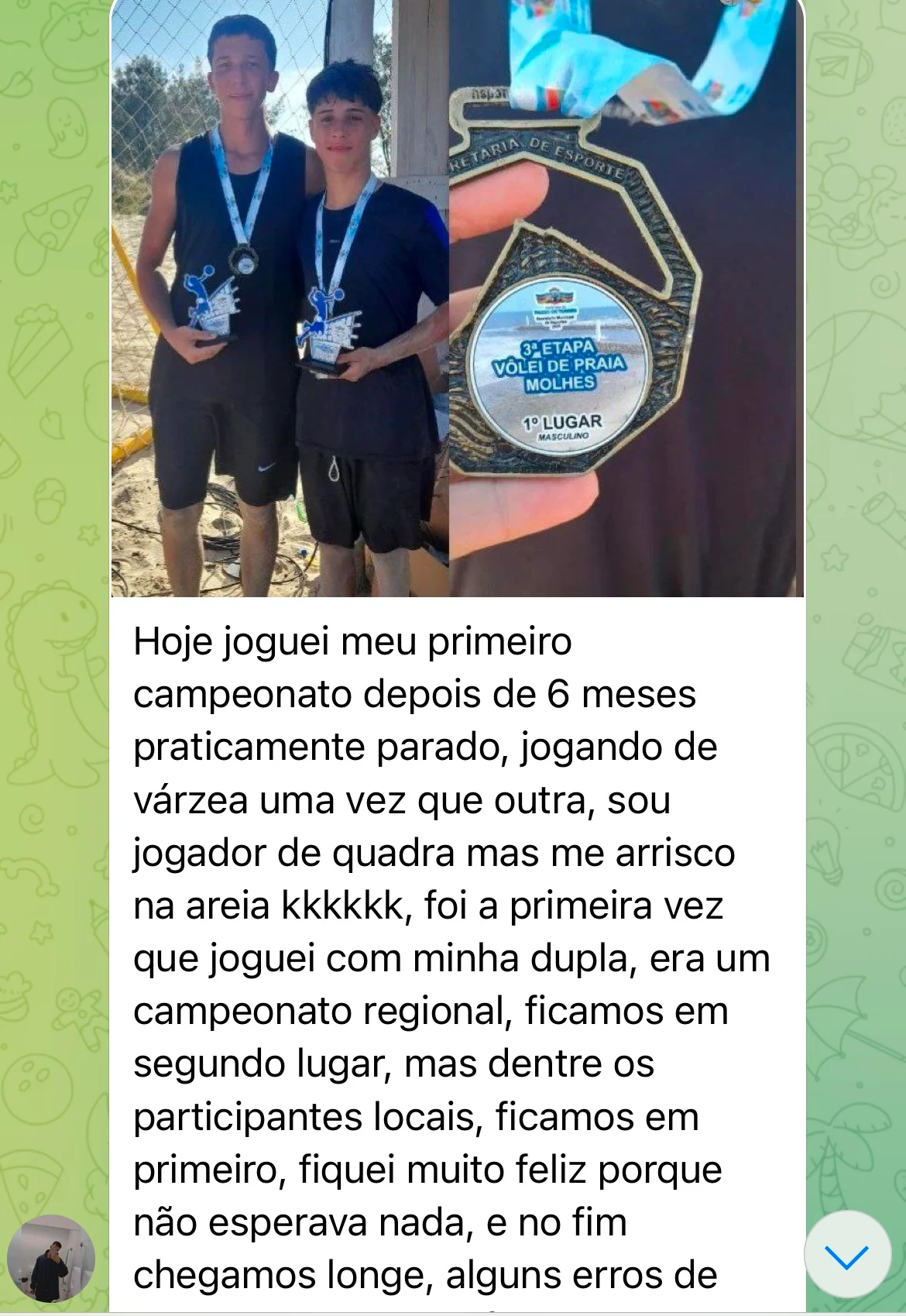
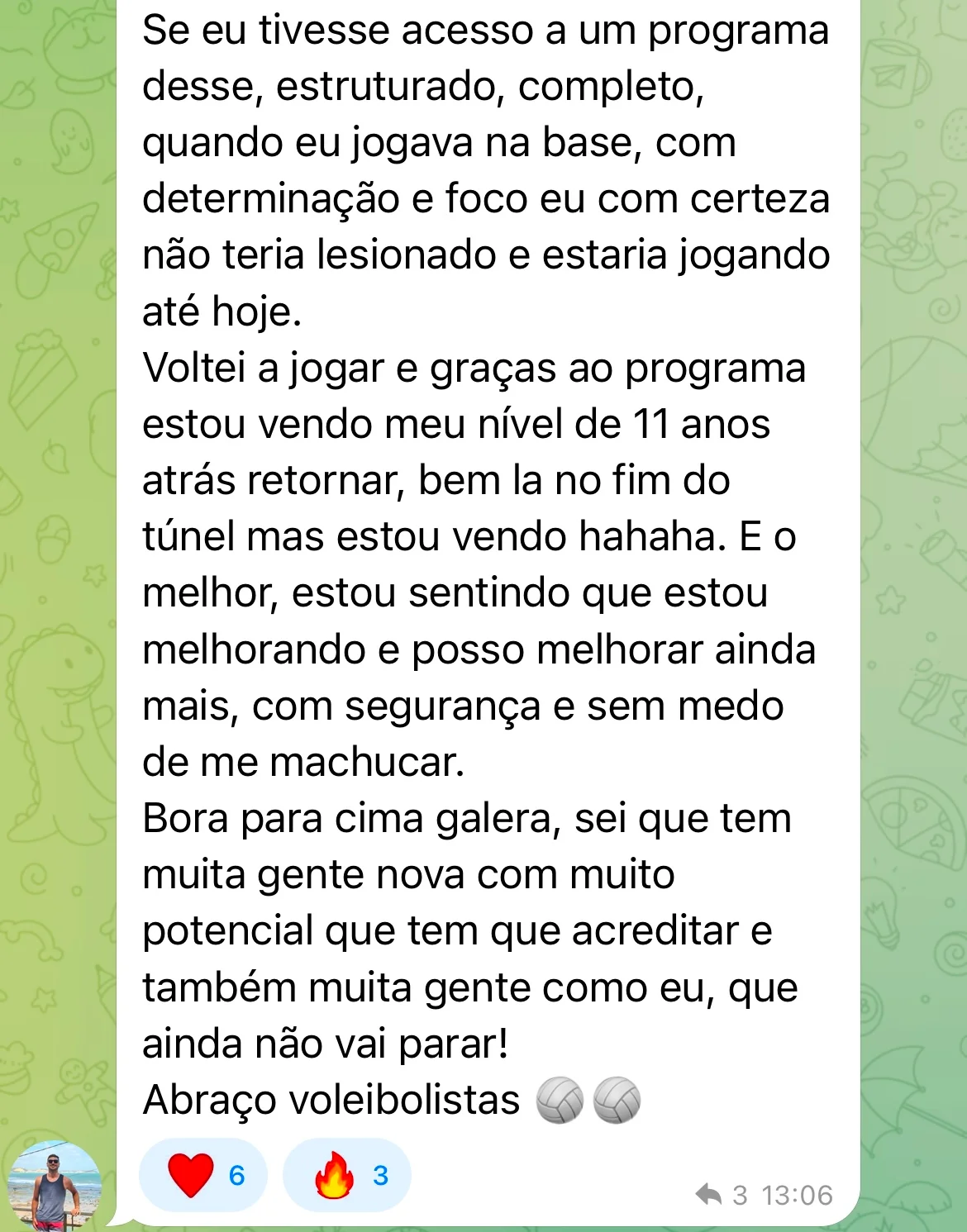
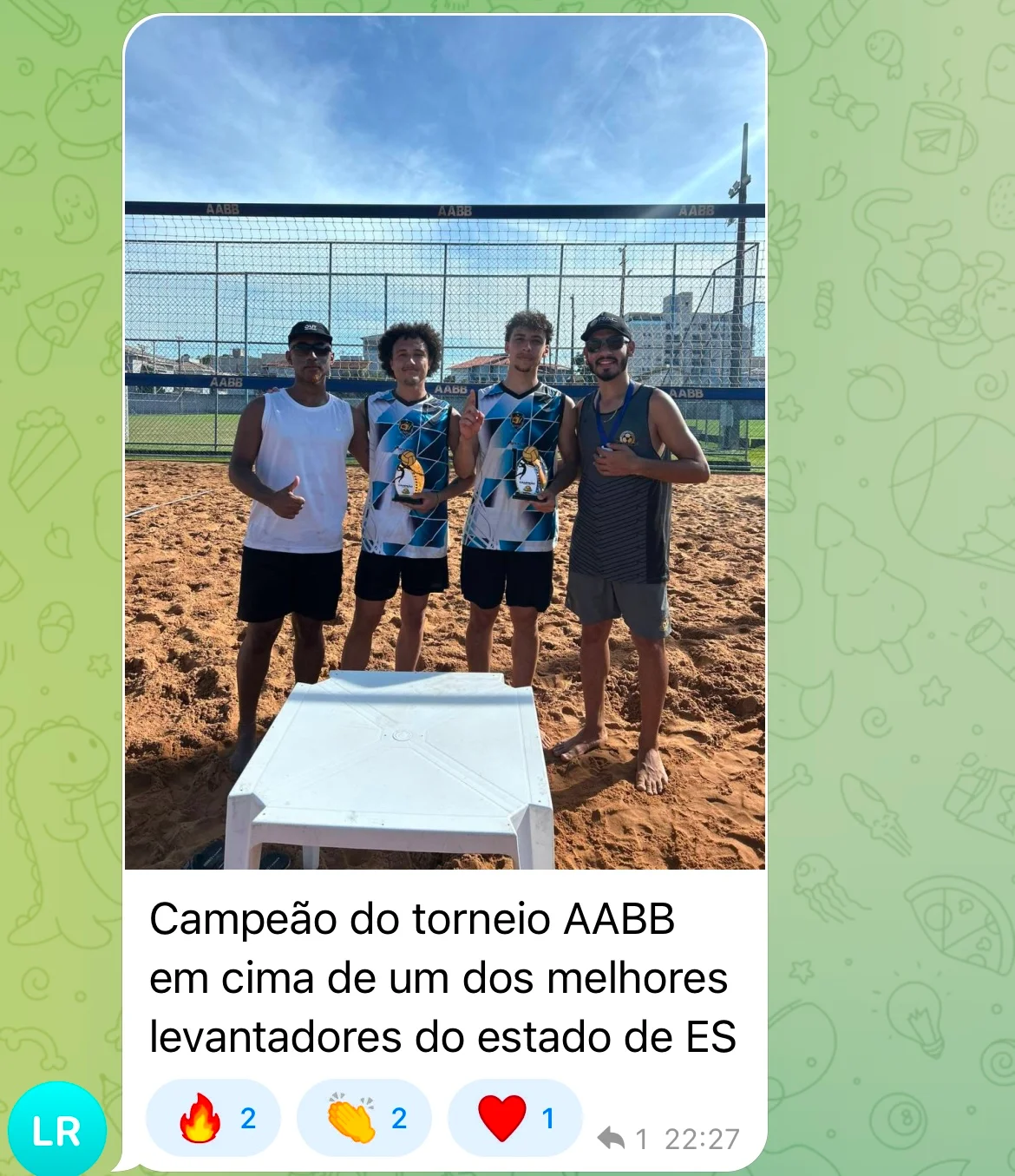
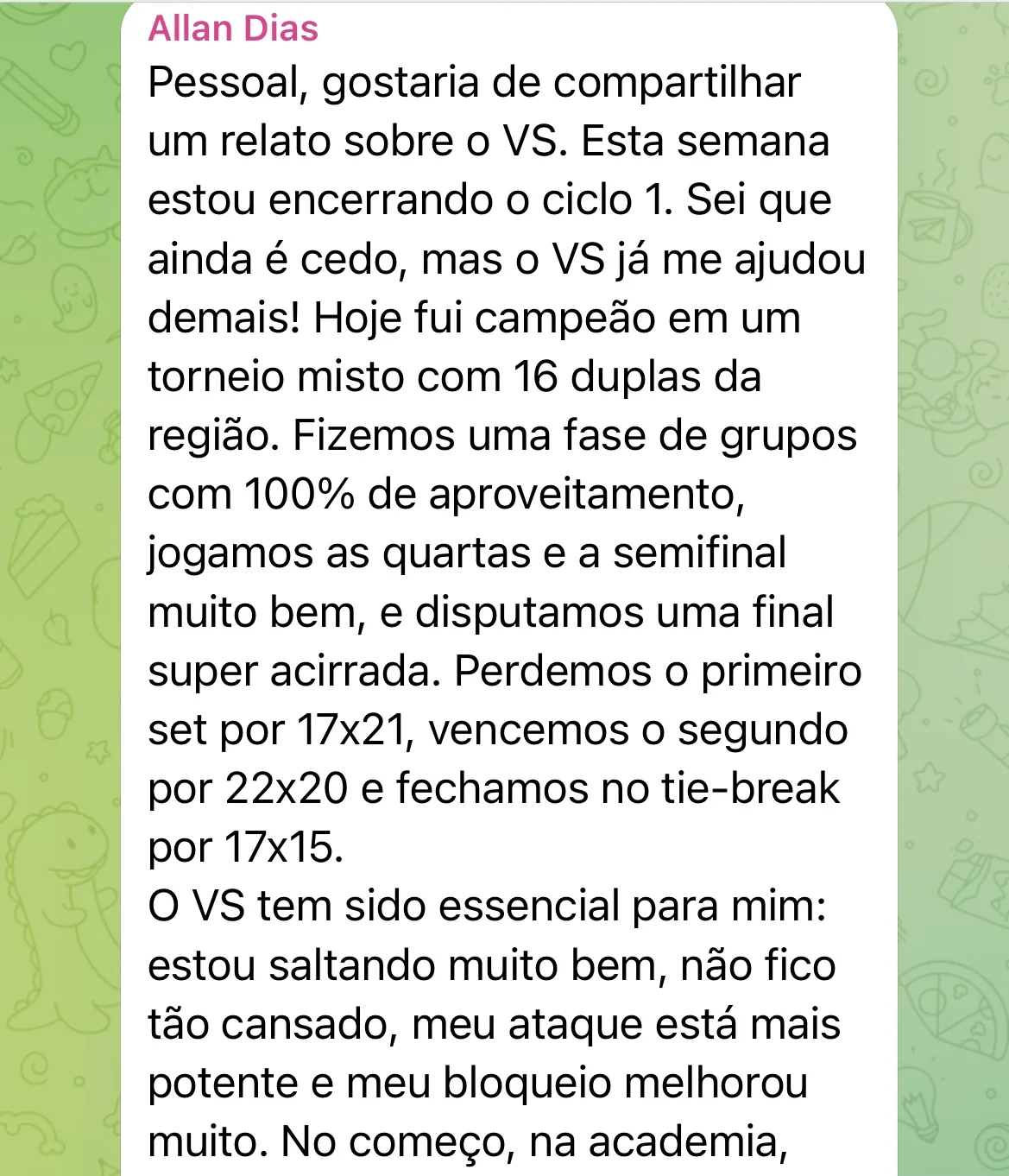
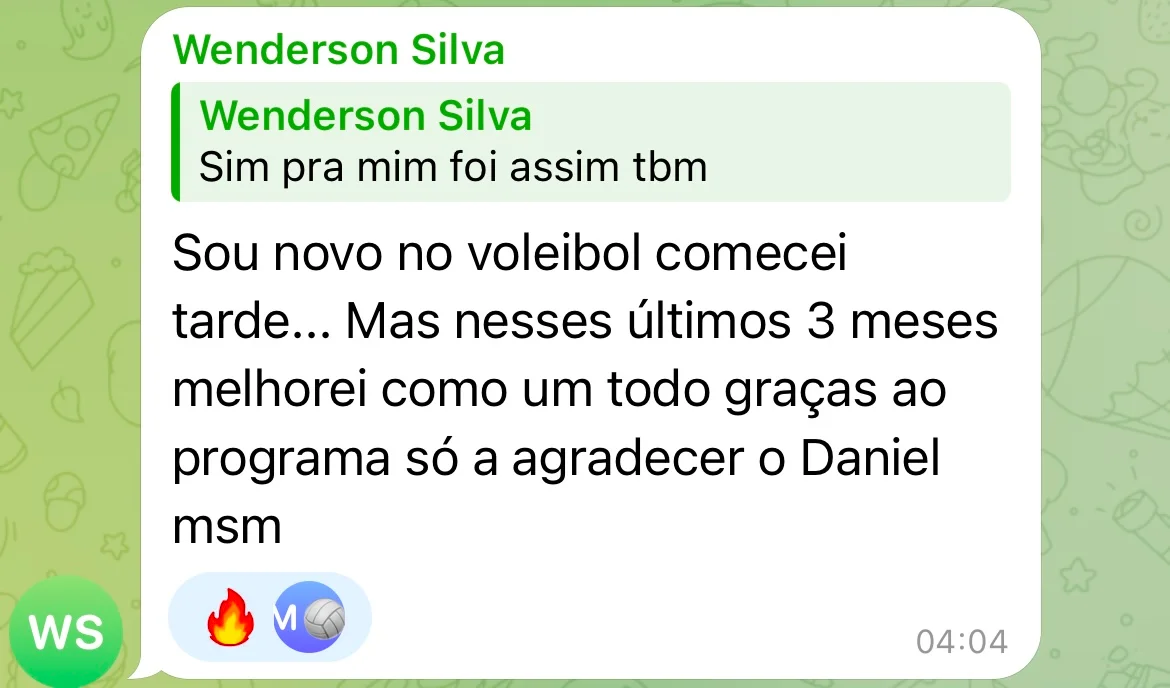
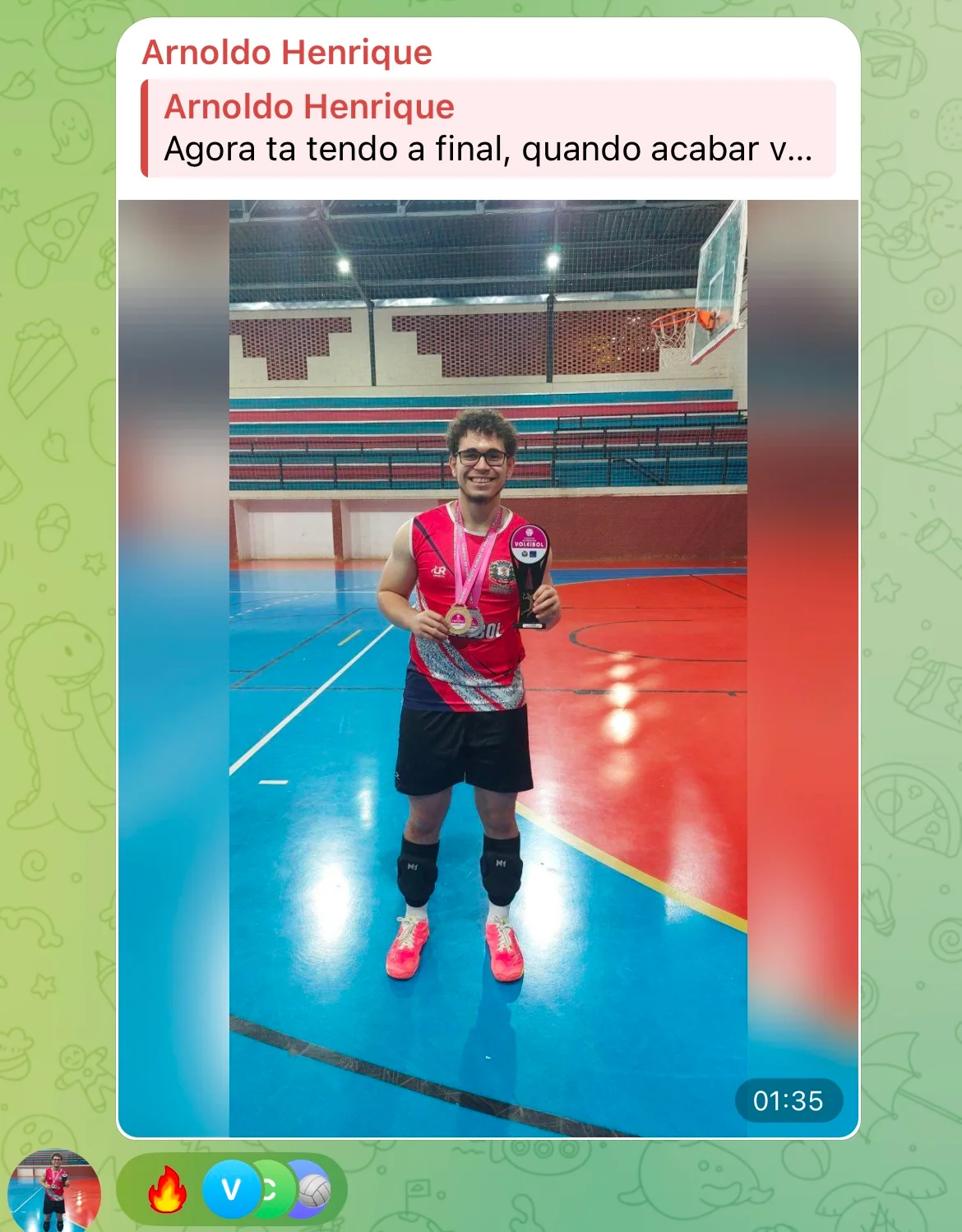
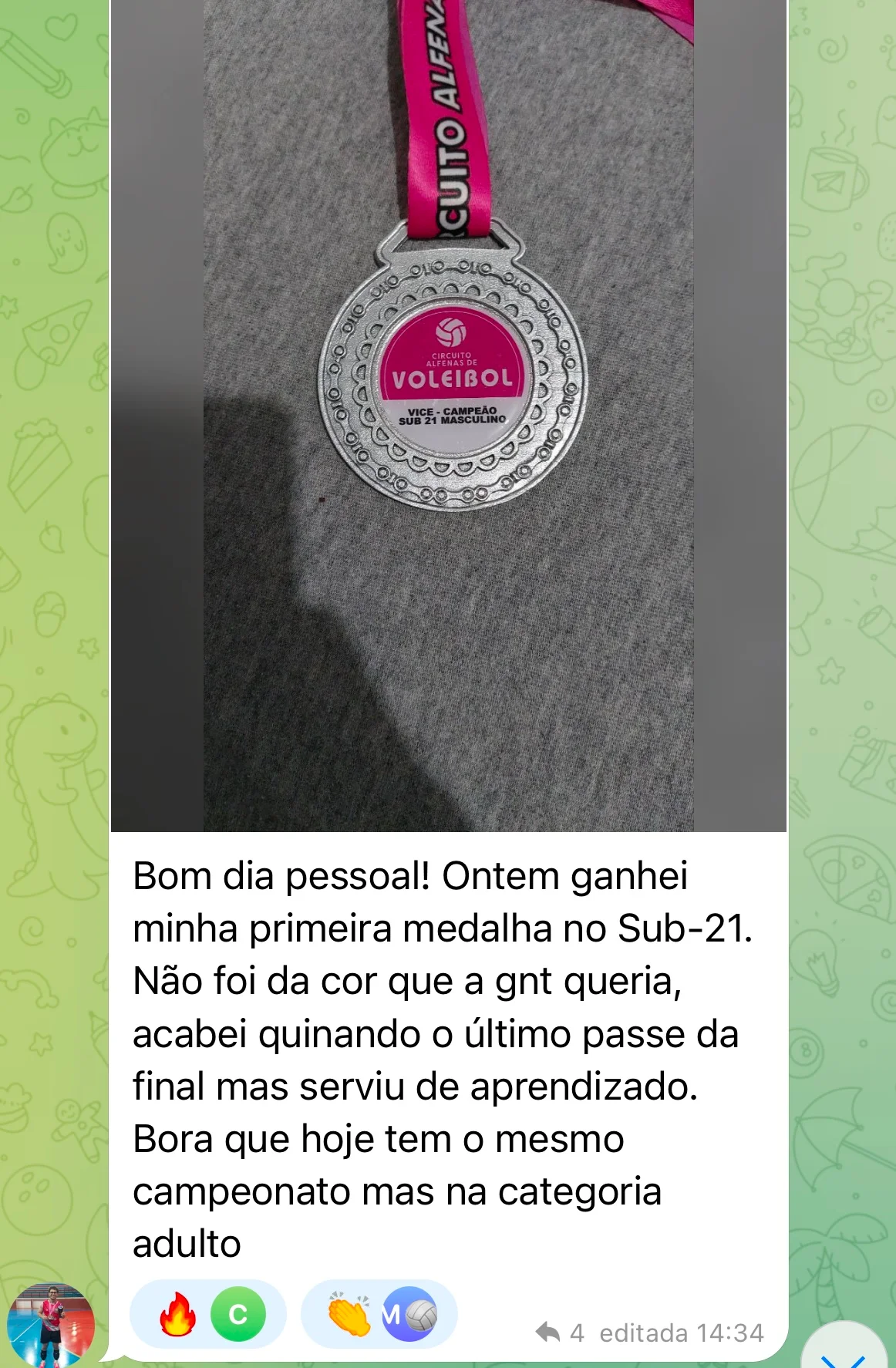
Arnoldo – Atleta VS
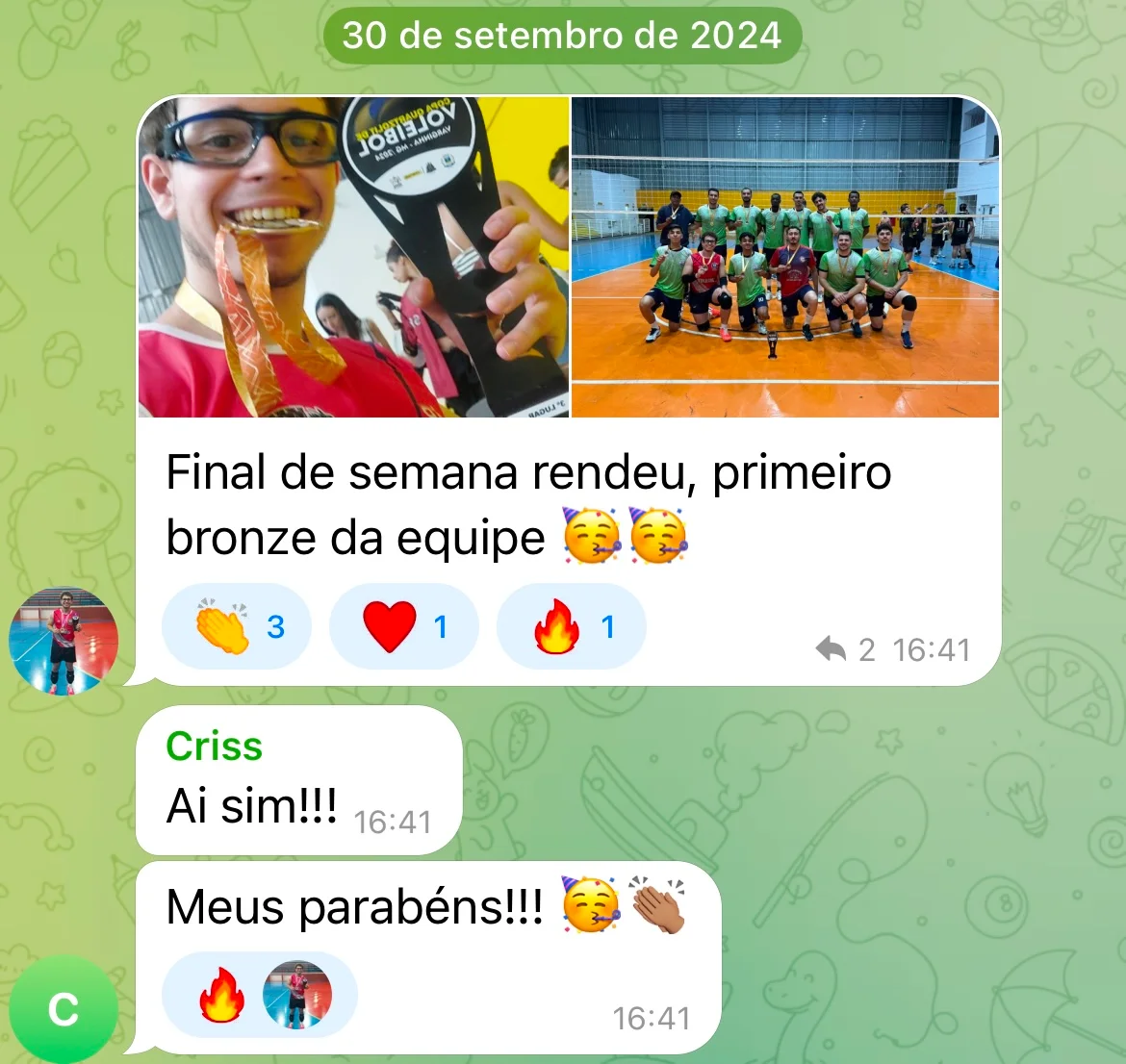
“Eu senti que tive uma melhora significativa na minha impulsão e na defesa, principalmente nos movimentos laterais.”

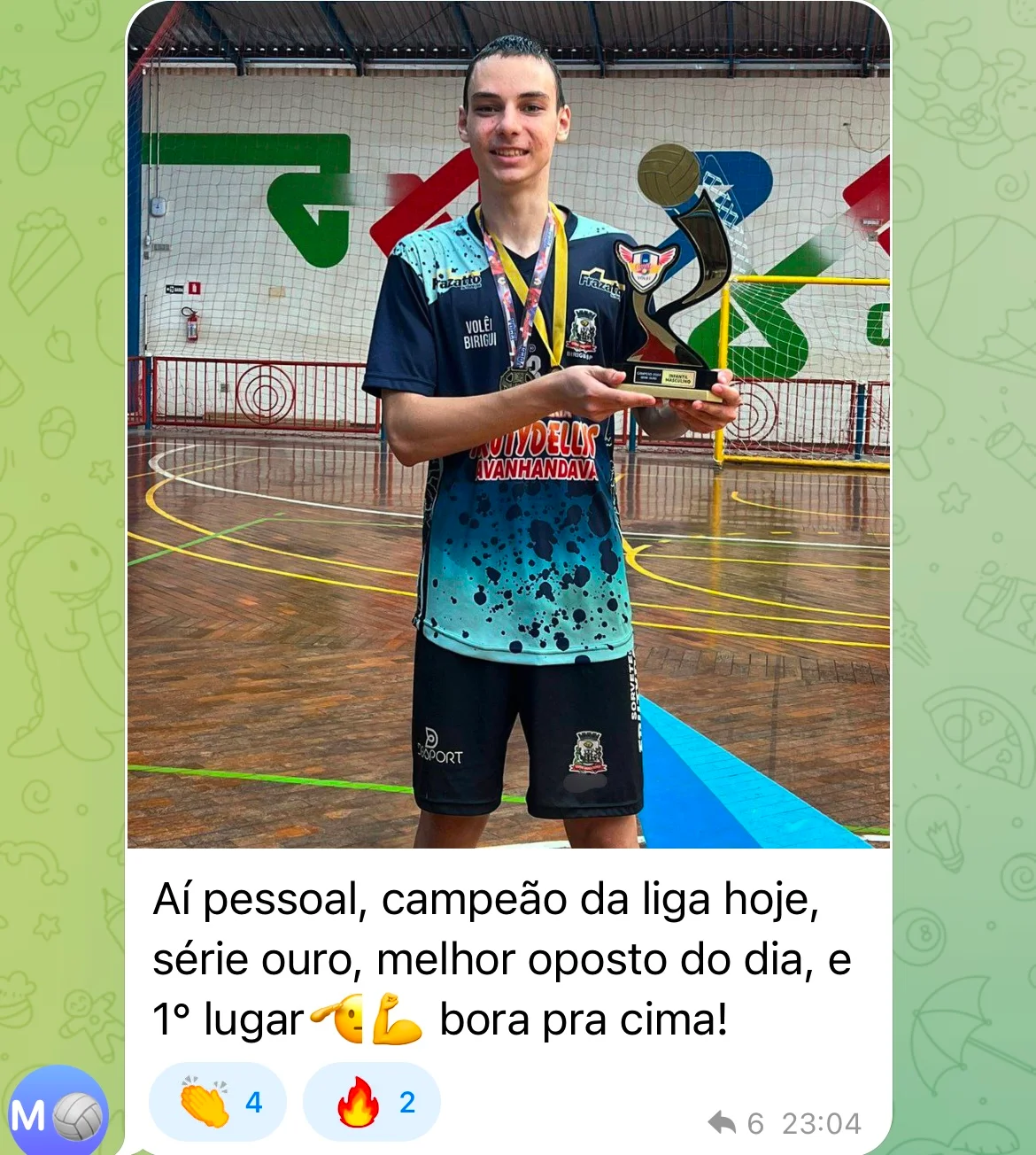
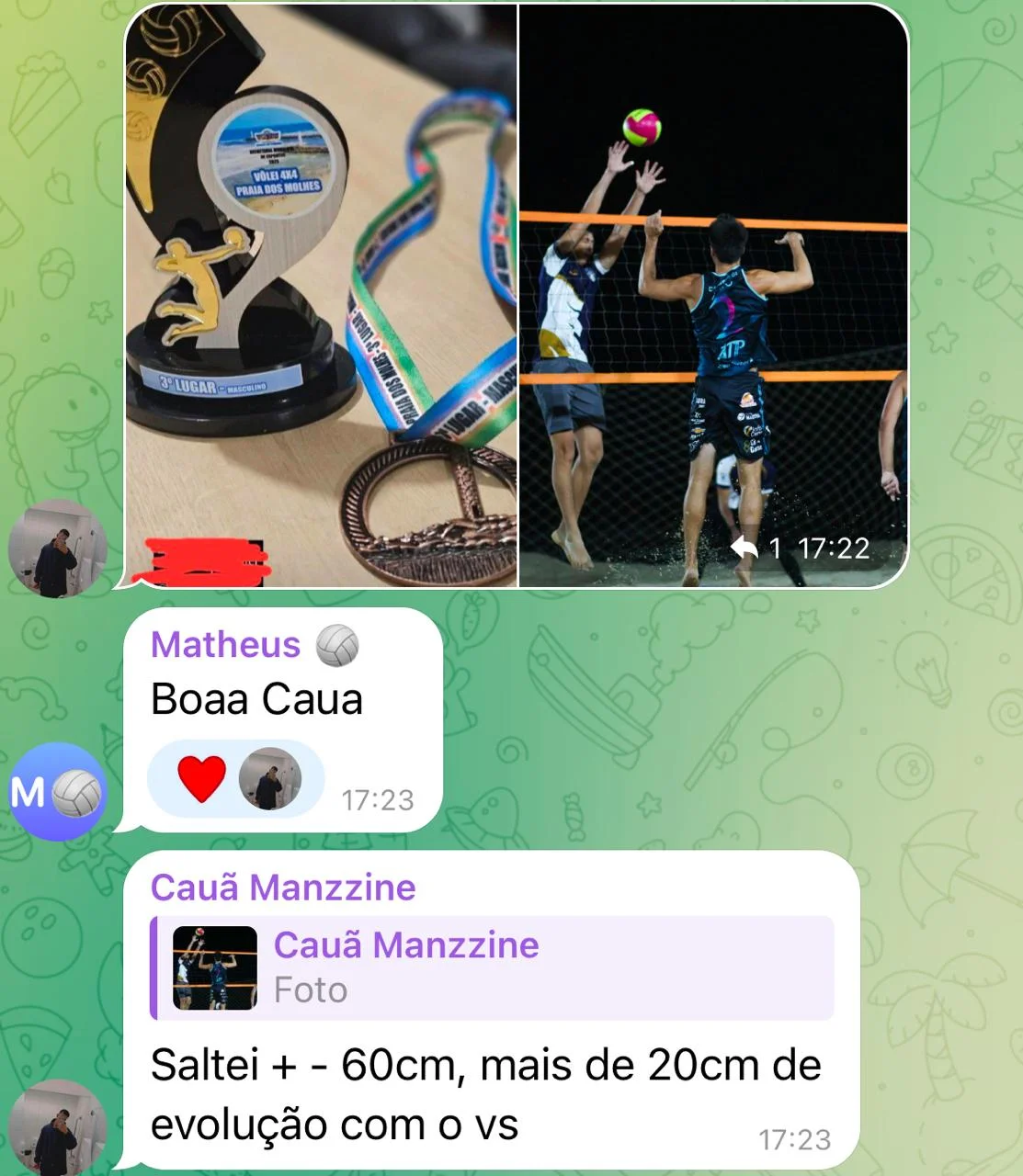
Matheus Gaviolli – Atleta VS
“Minha força aumentou consideravelmente e estou conseguindo saltar muito mais alto.”

Tiago Perejon – Atleta VS
“Fiz uma comparação de antes e depois, meu salto evoluiu em níveis absurdos, meu ataque ficou mais potente e meu bloqueio simplesmente mudou.”

Rommel – Atleta VS

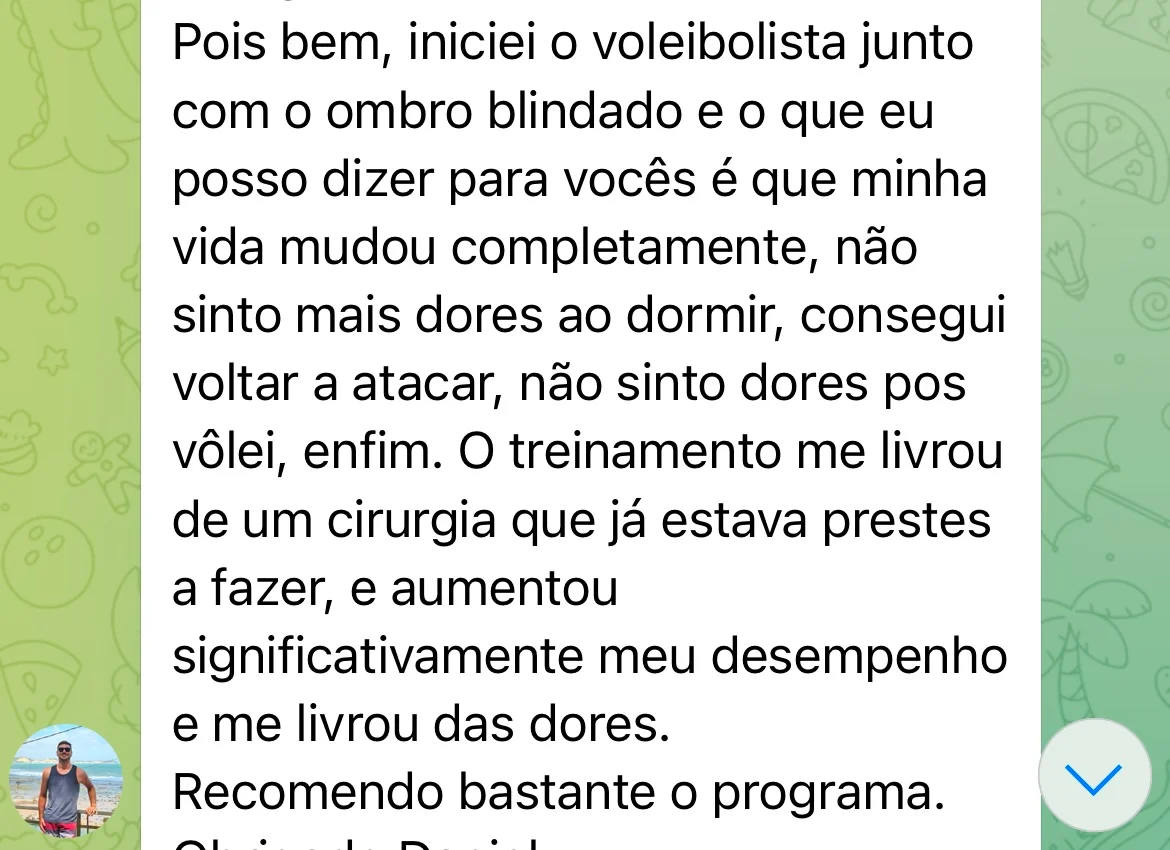
“Mesmo depois de 3 cirurgias nos joelhos, estou evoluindo muito com o programa.”

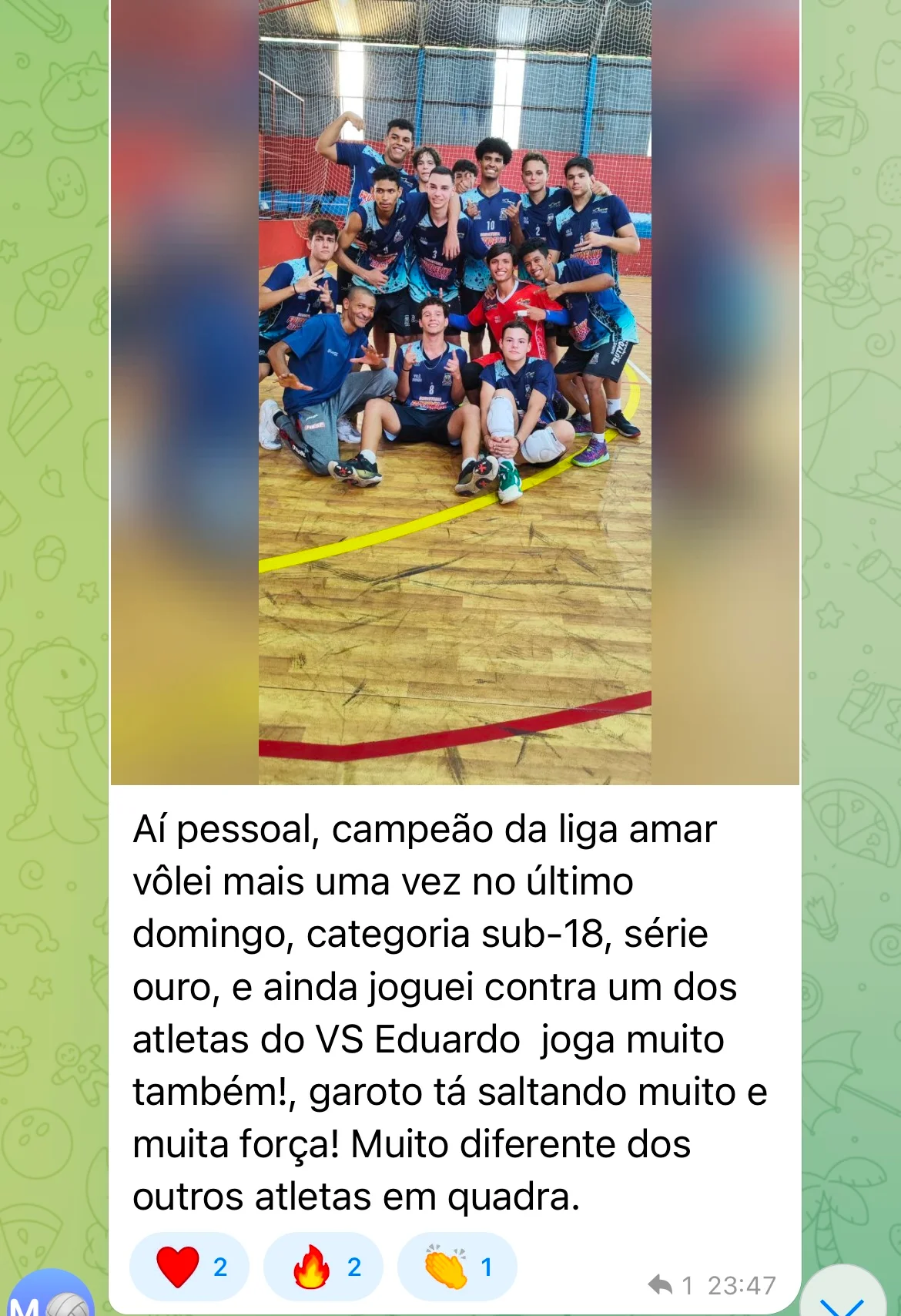
Eduardo Andrade – Atleta VS
“Apesar de eu ser um atleta considerado baixo, hoje eu salto mais alto, tenho mais força e controle no meu corpo.”

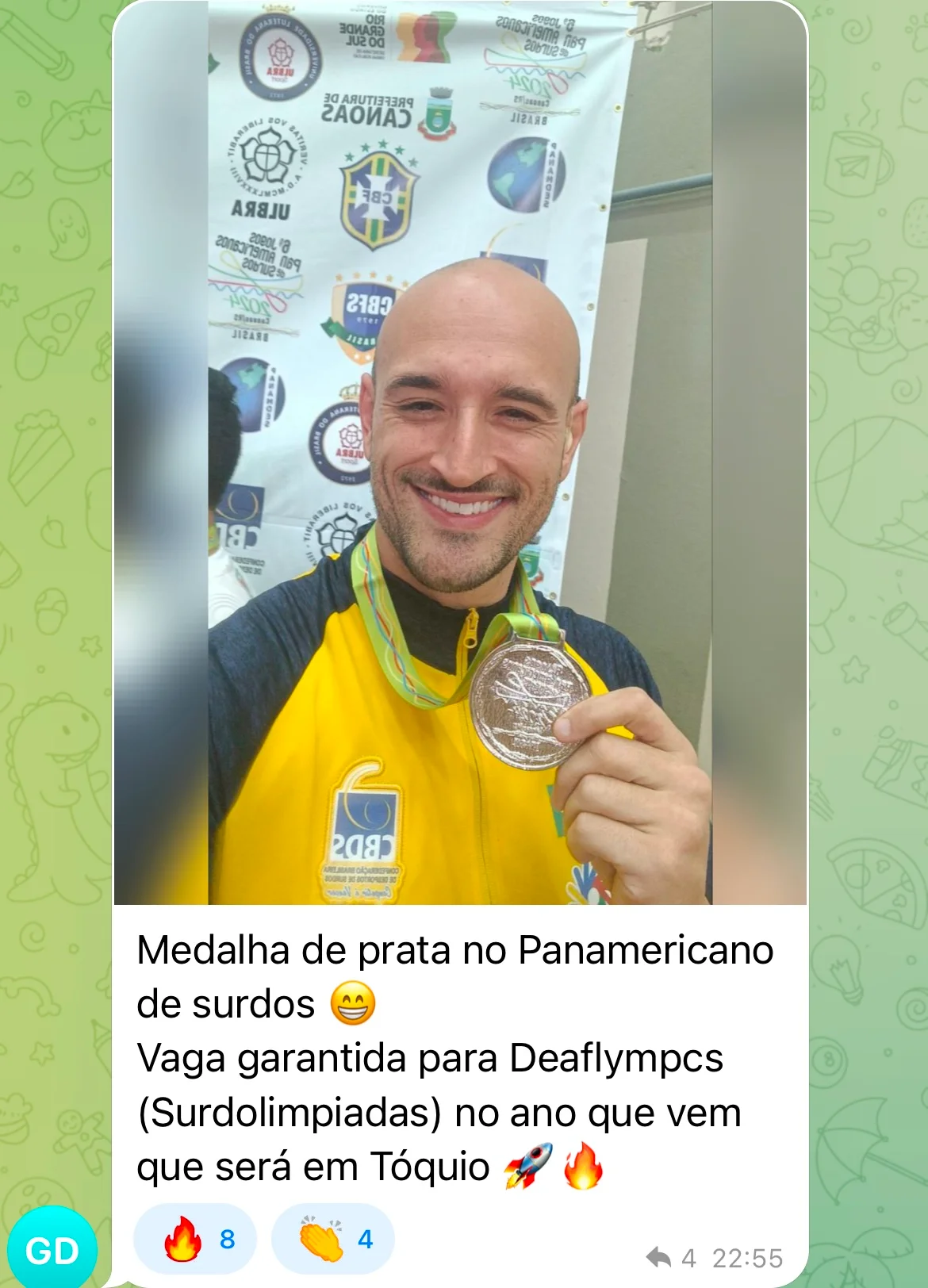
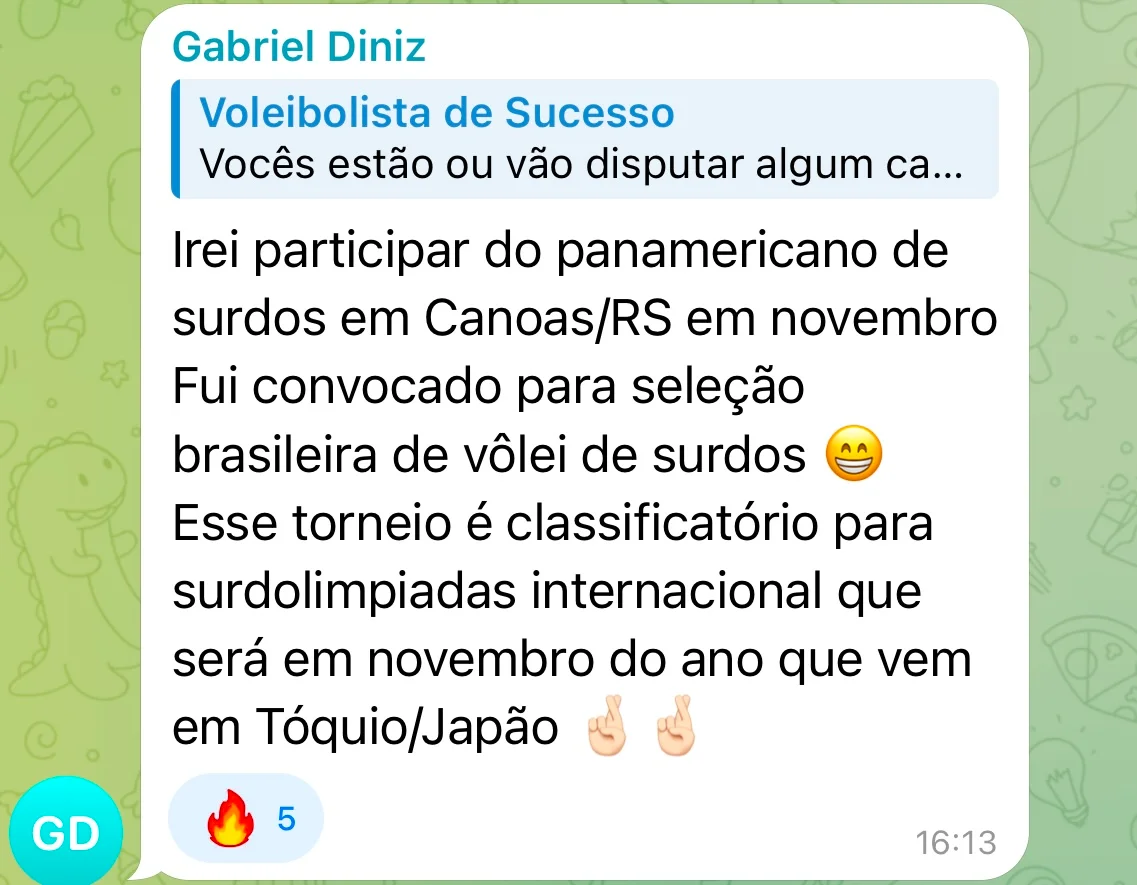
Gabriel Diniz – Atleta VS
“O programa foi fundamental para conquistar a maior realização da minha vida: uma vaga na seleçao brasileira de surdos.”

Rodrigo Cruz – Atleta VS
“No primeiro mês de programa, minhas dores sumiram totalmente. E hoje salto mais alto e me sinto muito mais forte.”

Gabriel Paiva – Atleta VS
“Com o VS, eu consegui me destacar muito mais, evoluir meu nível de jogo e conquistar uma vaga numa nova equipe.”

For all positions!

You’re not paying for exercises.

You’re paying for:

  • Structure instead of guessing

  • Progression instead of plateaus

  • Control instead of fear

  • A system that works across the season

APS answers the question most athletes never solve:

How do I consistently turn strength into jump performance?

No random cycles.
No wasted seasons.
Just a system built to transfer.

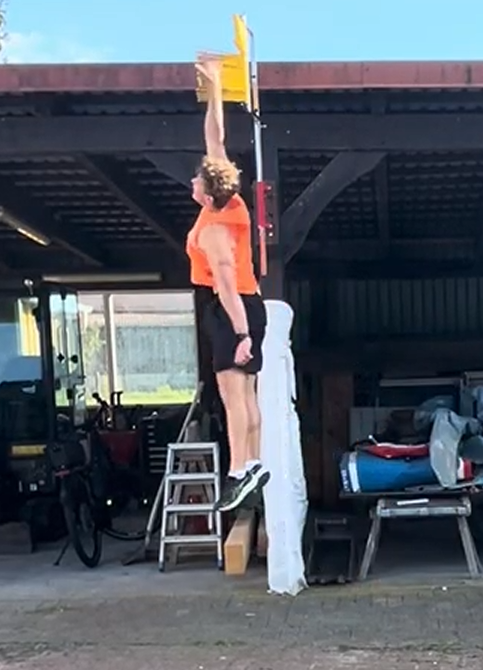
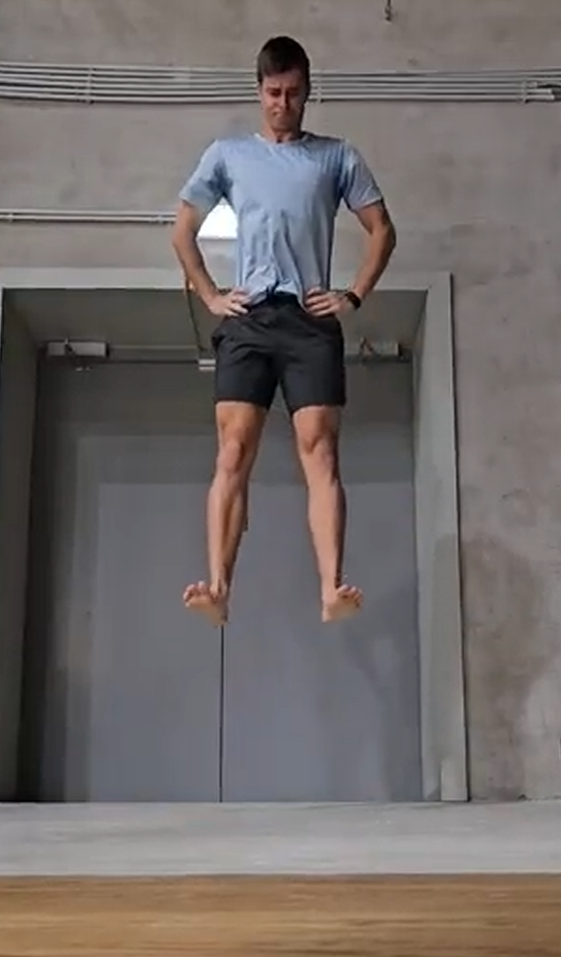
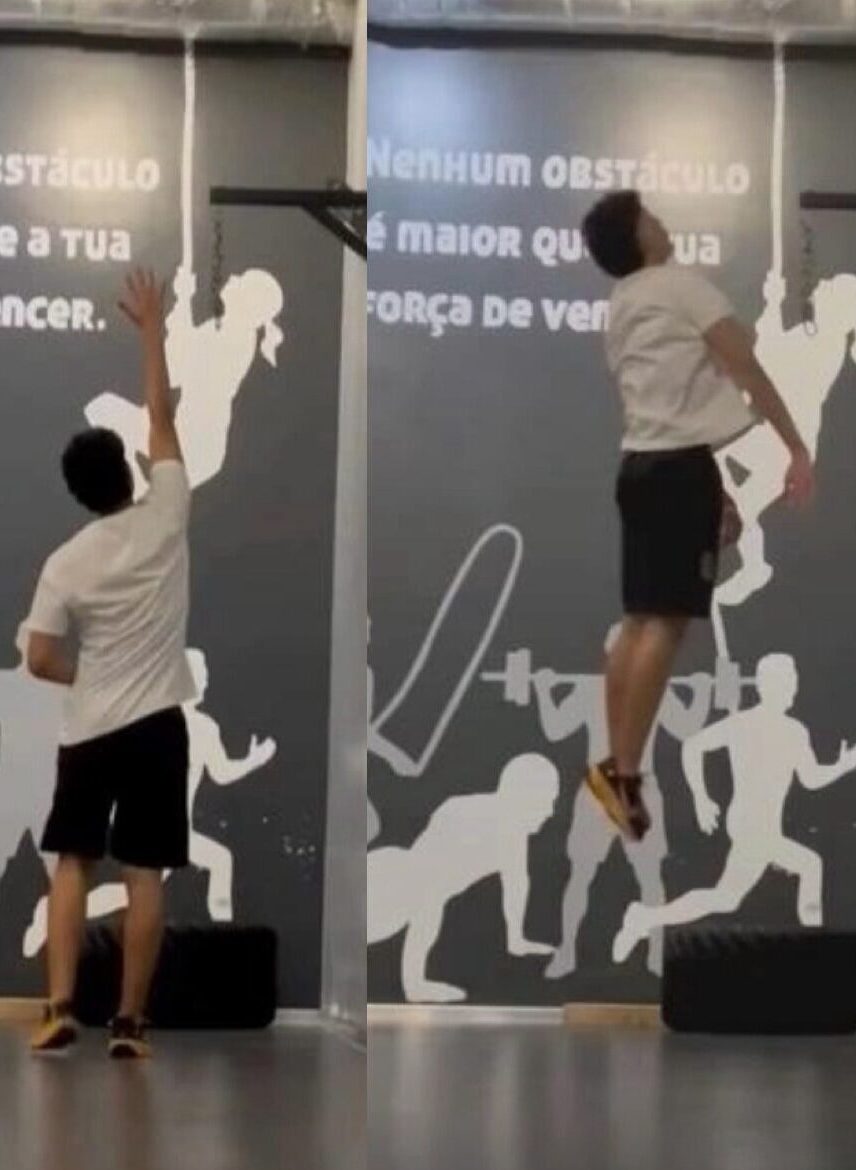
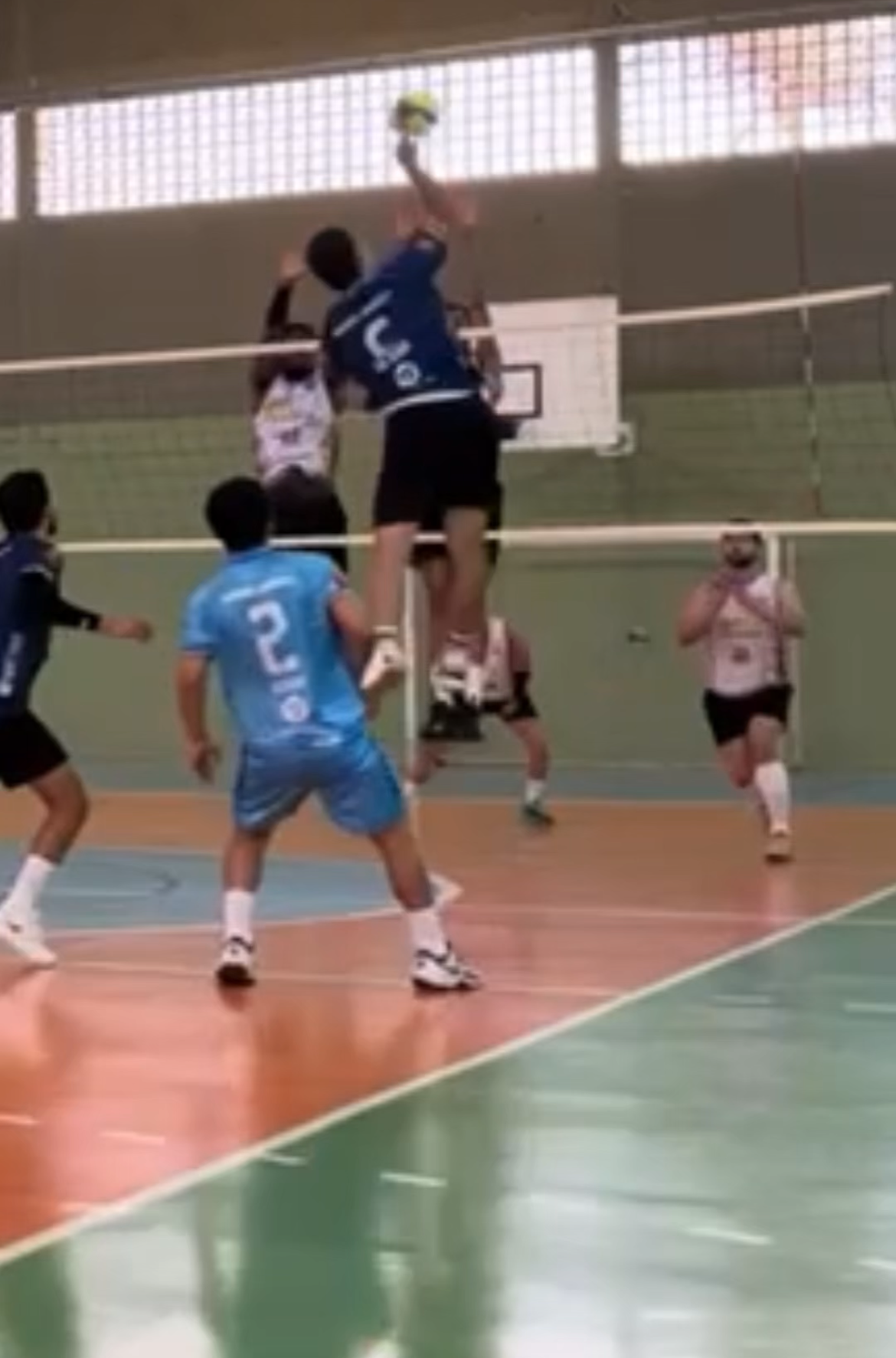
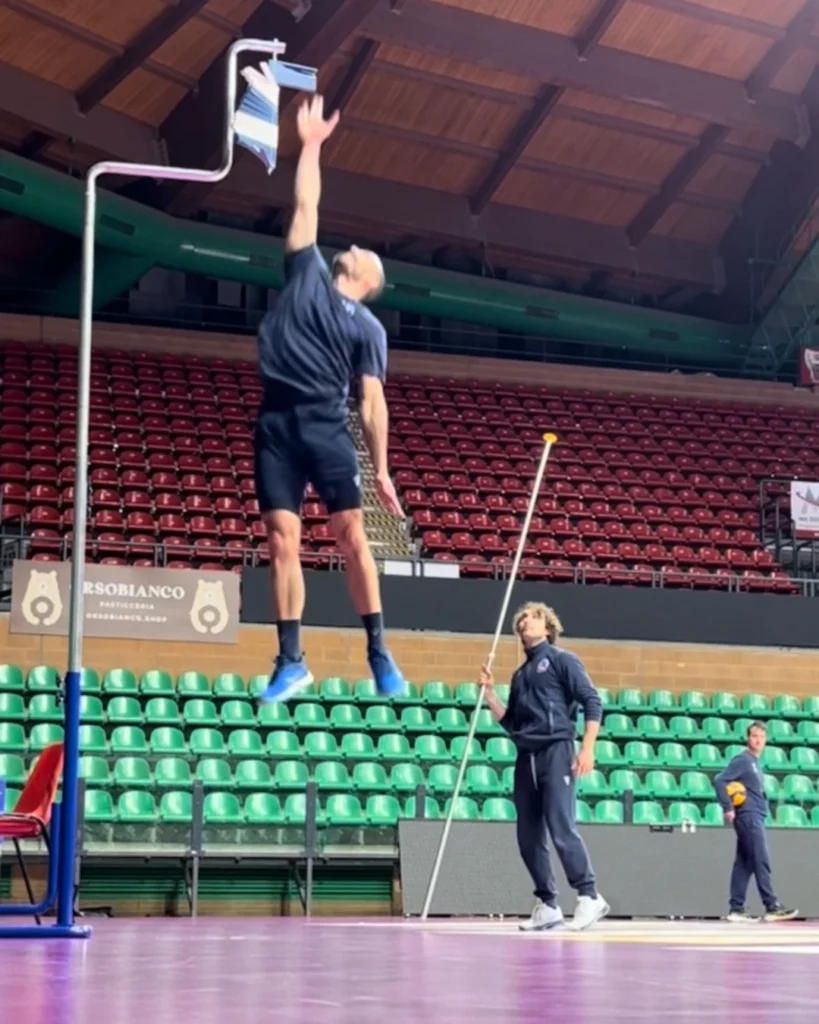
Real Athletes, real jumps, real progress.

They didn’t just get stronger. They became more efficient at takeoff.

That’s the difference between training muscles and training the jump system.

You are not looking at talent, you are looking at structure

Screenshot 2026-02-10 100505
Screenshot 2026-02-10 100638
photo-output
photo-output (3)
IMG_6805
ChatGPT Image 9 de jan. de 2026, 21_37_17 (1)

3 to 4 training sessions per week

Inside APS you get:

3-4 volleyball-specific strength sessions per week
Sessions lasting 60-90 minutes
Structured strength & power blocks
New training phases every 4 weeks
Load tracking inside the app
Exercise demo videos
Exercises technique feedback corrections
Direct support Monday to Friday
Private group with competitive athletes

One month of APS costs less than one physio session. The difference is: APS fixes the system before it breaks.

⚠️ Gym access is required.

$37 (USD)
per month

ChatGPT Image 16 de jan. de 2026, 08_57_19 (1)

Frequent Asked Questions

Yes. This program was designed for athletes who train in a fully equipped gym, with equipment such as barbells, dumbbells, cables, benches, resistance bands, medicine balls, and weight plates. This allows us to properly develop strength, power and real transfer to volleyball performance.

No. This is a professional training program that requires an investment, created for athletes who are committed to real performance and real progress.

This program was created for athletes who already compete or are transitioning to a higher level, intermediate to advanced players. If you play volleyball competitively and want to develop your physical abilities to perform better in matches, this program is for you.

Yes. Just like professional athletes, the training is structured for both players who are currently competing and those who are not in season.
The program is designed to complement your technical training while respecting your practice and match schedule.

It’s an all-year-round program. That means it doesn’t matter whether you’re in season or off season, you can join at any time and be well prepared.

No. It develops physical qualities that are essential for all volleyball positions, such as jumping ability, power, movement and sport-specific endurance. That’s why it works for every position on the court.

You’ll have access to the program for as long as your subscription is active. The payment is monthly, just like Netflix or Spotify and you can cancel anytime, quickly and easily.

If you:

  • Compete or want to compete at a higher level

  • Train in a gym

  • Want to stay explosive until the very last point

Then this method was created for you.

ChatGPT Image 9 de jan. de 2026, 21_37_17 (1)

Legal Disclaimer: “Nothing in this product should be taken as a promise of guaranteed results. Any mention of past performance or potential outcomes from the strategies discussed is not, and should not be seen as, a recommendation or a guarantee of any specific result.”